The story
The LTTE formally emerged in 1976 after evolving from the Tamil New Tigers. The period reflected decades of political disagreements over language policy,
constitutional reform, education, regional autonomy, and minority rights. Earlier attempts at negotiated settlements had failed, and some young militants concluded
that armed struggle was necessary. The Vaddukoddai Resolution, adopted by the
TULF in the same year, called for Tamil Eelam through democratic politics, while
militant groups pursued armed methods. The LTTE remained one of several militant
organisations before later becoming dominant. This period is widely regarded by
historians as a turning point that reshaped Sri Lanka's political landscape and set the
stage for the conflict that intensified during the following decade. This period is best
understood by considering political decisions, military developments, civilian
experiences, humanitarian impacts, and long-term consequences together. Historians
emphasise that events affected multiple communities, that interpretations continue to
be debated, and that careful examination of primary and secondary sources is
essential when studying Sri Lanka's civil war. The legacy of these events continues to
shape conversations about reconciliation, constitutional reform, memorialisation, and
peacebuilding. This period is best understood by considering political decisions,
military developments, civilian experiences, humanitarian impacts, and long-term
consequences together. Historians emphasise that events affected multiple
communities, that interpretations continue to be debated, and that careful
examination of primary and secondary sources is essential when studying Sri Lanka's
civil war. The legacy of these events continues to shape conversations about
reconciliation, constitutional reform, memorialisation, and peacebuilding. This period
is best understood by considering political decisions, military developments, civilian
experiences, humanitarian impacts, and long-term consequences together. Historians
emphasise that events affected multiple communities, that interpretations continue to
be debated, and that careful examination of primary and secondary sources is
essential when studying Sri Lanka's civil war. The legacy of these events continues to
shape conversations about reconciliation, constitutional reform, memorialisation, and
peacebuilding. This period is best understood by considering political decisions,
military developments, civilian experiences, humanitarian impacts, and long-term
consequences together. Historians emphasise that events affected multiple
communities, that interpretations continue to be debated, and that careful
examination of primary and secondary sources is essential when studying Sri Lanka's
civil war. The legacy of these events continues to shape conversations about
reconciliation, constitutional reform, memorialisation, and peacebuilding.
Remembering the period in context
Historical events are shaped by political, social, military and civilian experiences. This archive aims to present those events with context and acknowledges that some aspects of the conflict remain contested or subject to continuing historical research.
Sources & references
This chapter is supported by historical, humanitarian, academic and documentary sources. These references provide additional context for understanding the events described in this archive.
Encyclopaedia Britannica – Sri Lankan Civil War
Encyclopaedia Britannica – Velupillai Prabhakaran
Oxford Research – War and Peace by Other Means
U.S. Army Case Studies in Insurgency and Revolutionary Warfare: Sri Lanka (1976–2009)
Vaddukoddai Resolution (1976)
References are provided to encourage further reading and independent examination of the historical record.
Related photo collection
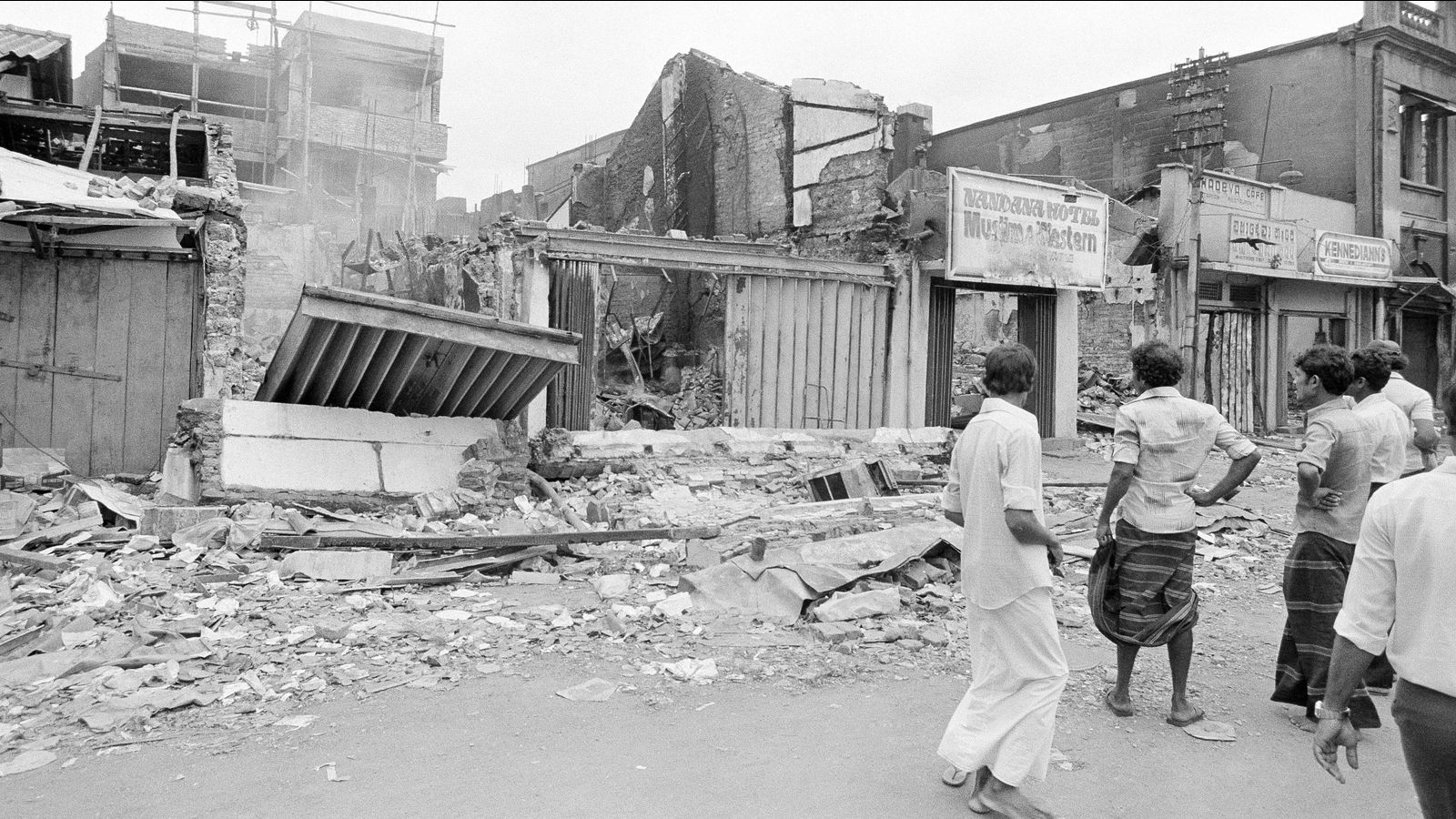
Photographs and archival material connected with this chapter of the story.
 01