The story
The killing of 13 soldiers in Jaffna was followed by anti-Tamil violence across several parts of Sri Lanka. The events became known as Black July and marked a major escalation in the conflict. Many civilians were killed, homes and businesses were destroyed, and thousands of people were displaced. The violence deepened mistrust, accelerated militant recruitment, and transformed a long-running political dispute into a prolonged armed conflict. The period remains one of the most significant and painful chapters in Sri Lanka's modern history. This period is best understood by considering political decisions, military developments, civilian experiences, humanitarian impacts, and long-term consequences together. Historians emphasise that events affected multiple communities, that interpretations continue to be debated, and that careful examination of primary and secondary sources is essential when studying Sri Lanka's civil war. The legacy of these events continues to shape conversations about reconciliation, constitutional reform, memorialisation, and peacebuilding. This period is best understood by considering political decisions, military developments, civilian experiences, humanitarian impacts, and long-term consequences together. Historians emphasise that events affected multiple communities, that interpretations continue to be debated, and that careful examination of primary and secondary sources is essential when studying Sri Lanka's civil war. The legacy of these events continues to shape conversations about reconciliation, constitutional reform, memorialisation, and peacebuilding. This period is best understood by considering political decisions, military developments, civilian experiences, humanitarian impacts, and long-term consequences together. Historians emphasise that events affected multiple communities, that interpretations continue to be debated, and that careful examination of primary and secondary sources is essential when studying Sri Lanka's civil war. The legacy of these events continues to shape conversations about reconciliation, constitutional reform, memorialisation, and peacebuilding. This period is best understood by considering political decisions, military developments, civilian experiences, humanitarian impacts, and long-term consequences together. Historians emphasise that events affected multiple communities, that interpretations continue to be debated, and that careful examination of primary and secondary sources is essential when studying Sri Lanka's civil war. The legacy of these events continues to shape conversations about reconciliation, constitutional reform, memorialisation, and peacebuilding. This period is best understood by considering political decisions, military developments, civilian experiences, humanitarian impacts, and long-term consequences together. Historians emphasise that events affected multiple communities, that interpretations continue to be debated, and that careful examination of primary and secondary sources is essential when studying Sri Lanka's civil war. The legacy of these events continues to shape conversations about reconciliation, constitutional reform, memorialisation, and peacebuilding. This period is best understood by considering political decisions, military developments, civilian experiences, humanitarian impacts, and long-term consequences together. Historians emphasise that events affected multiple communities, that interpretations continue to be debated, and that careful examination of primary and secondary sources is essential when studying Sri Lanka's civil war. The legacy of these events continues to shape conversations about reconciliation, constitutional reform, memorialisation, and peacebuilding. This period is best understood by considering political decisions, military developments, civilian experiences, humanitarian impacts, and long-term consequences together. Historians emphasise that events affected multiple communities, that interpretations continue to be debated, and that careful examination of primary and secondary sources is essential when studying Sri Lanka's civil war. The legacy of these events continues to shape conversations about reconciliation, constitutional reform, memorialisation, and peacebuilding. This period is best understood by considering political decisions, military developments, civilian experiences, humanitarian impacts, and long-term consequences together. Historians emphasise that events affected multiple communities, that interpretations continue to be debated, and that careful examination of primary and secondary sources is essential when studying Sri Lanka's civil war. The legacy of these events continues to shape conversations about reconciliation, constitutional reform, memorialisation, and peacebuilding. This period is best understood by considering political decisions, military developments, civilian experiences, humanitarian impacts, and long-term consequences together. Historians emphasise that events affected multiple communities, that interpretations continue to be debated, and that careful examination of primary and secondary sources is essential when studying Sri Lanka's civil war. The legacy of these events continues to shape conversations about reconciliation, constitutional reform, memorialisation, and peacebuilding. This period is best understood by considering political decisions, military developments, civilian experiences, humanitarian impacts, and long-term consequences together. Historians emphasise that events affected multiple communities, that interpretations continue to be debated, and that careful examination of primary and secondary sources is essential when studying Sri Lanka's civil war. The legacy of these events continues to shape conversations about reconciliation, constitutional reform, memorialisation, and peacebuilding. This period is best understood by considering political decisions, military developments, civilian experiences, humanitarian impacts, and long-term consequences together. Historians emphasise that events affected multiple communities, that interpretations continue to be debated, and that careful examination of primary and secondary sources is essential when studying Sri Lanka's civil war. The legacy of these events continues to shape conversations about reconciliation, constitutional reform, memorialisation, and peacebuilding. This period is best understood by considering political decisions, military developments, civilian experiences, humanitarian impacts, and long-term consequences together. Historians emphasise that events affected multiple communities, that interpretations continue to be debated, and that careful examination of primary and secondary sources is essential when studying Sri Lanka's civil war. The legacy of these events continues to shape conversations about reconciliation, constitutional reform, memorialisation, and peacebuilding. This period is best understood by considering political decisions, military developments, civilian experiences, humanitarian impacts, and long-term consequences together. Historians emphasise that events affected multiple communities, that interpretations continue to be debated, and that careful examination of primary and secondary sources is essential when studying Sri Lanka's civil war. The legacy of these events continues to shape conversations about reconciliation, constitutional reform, memorialisation, and peacebuilding. This period is best understood by considering political decisions, military developments, civilian experiences, humanitarian impacts, and long-term consequences together. Historians emphasise that events affected multiple communities, that interpretations continue to be debated, and that careful examination of primary and secondary sources is essential when studying Sri Lanka's civil war. The legacy of these events continues to shape conversations about reconciliation, constitutional reform, memorialisation, and peacebuilding. This period is best understood by considering political decisions, military developments, civilian experiences, humanitarian impacts, and long-term consequences together. Historians emphasise that events affected multiple communities, that interpretations continue to be debated, and that careful examination of primary and secondary sources is essential when studying Sri Lanka's civil war. The legacy of these events continues to shape conversations about reconciliation, constitutional reform, memorialisation, and peacebuilding. This period is best understood by considering political decisions, military developments, civilian experiences, humanitarian impacts, and long-term consequences together. Historians emphasise that events affected multiple communities, that interpretations continue to be debated, and that careful examination of primary and secondary sources is essential when studying Sri Lanka's civil war. The legacy of these events continues to shape conversations about reconciliation, constitutional reform, memorialisation, and peacebuilding. This period is best understood by considering political decisions, military developments, civilian experiences, humanitarian impacts, and long-term consequences together. Historians emphasise that events affected multiple communities, that interpretations continue to be debated, and that careful examination of primary and secondary sources is essential when studying Sri Lanka's civil war. The legacy of these events continues to shape conversations about reconciliation, constitutional reform, memorialisation, and peacebuilding. This period is best understood by considering political decisions, military developments, civilian experiences, humanitarian impacts, and long-term consequences together. Historians emphasise that events affected multiple communities, that interpretations continue to be debated, and that careful examination of primary and secondary sources is essential when studying Sri Lanka's civil war. The legacy of these events continues to shape conversations about reconciliation, constitutional reform, memorialisation, and peacebuilding.
Remembering the period in context
Historical events are shaped by political, social, military and civilian experiences. This archive aims to present those events with context and acknowledges that some aspects of the conflict remain contested or subject to continuing historical research.
Sources & references
This chapter is supported by historical, humanitarian, academic and documentary sources. These references provide additional context for understanding the events described in this archive.
Encyclopaedia Britannica – Sri Lankan Civil War
Encyclopaedia Britannica – Velupillai Prabhakaran
Oxford Research – War and Peace by Other Means
U.S. Army Case Studies in Insurgency and Revolutionary Warfare: Sri Lanka (1976–2009)
Vaddukoddai Resolution (1976)
References are provided to encourage further reading and independent examination of the historical record.
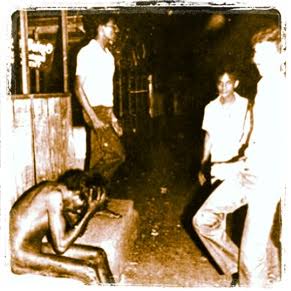
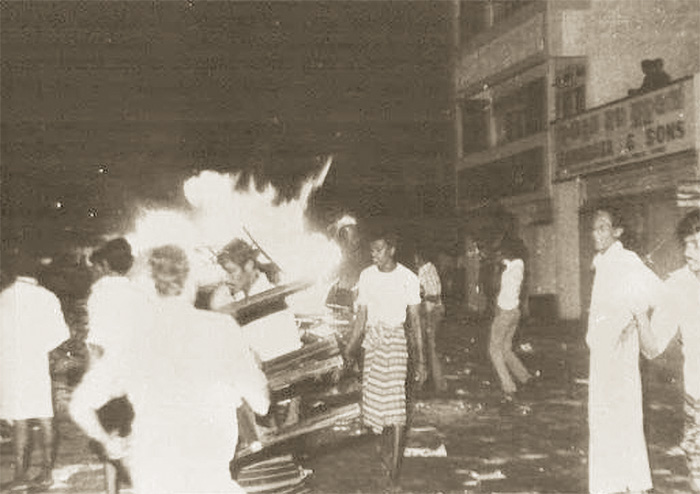
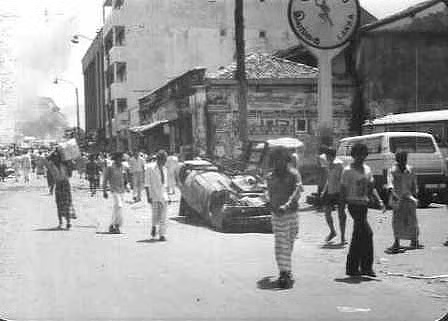
Related photo collection
Photographs and archival material connected with this chapter of the story.
 01
 02
 03