8 November 1993
Initial volunteer team
The Navy's unit history describes the formation of a volunteer team and its specialist training.
Historical unit archive
Sri Lanka Navy
A naval special operations formation developed to work in coastal waters and support maritime and amphibious operations.
Historical note
Established in 1993
Photographic record
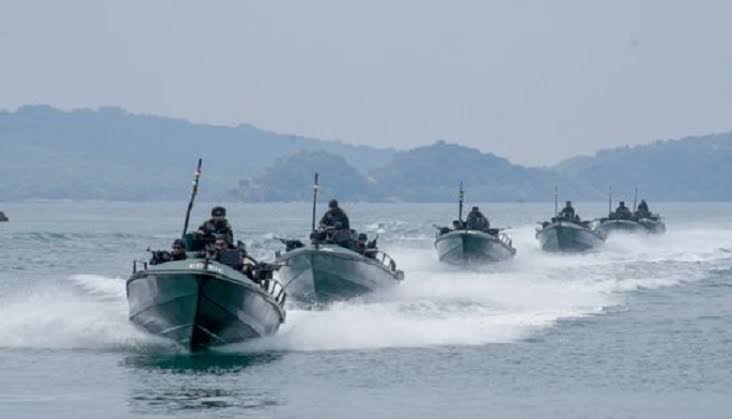
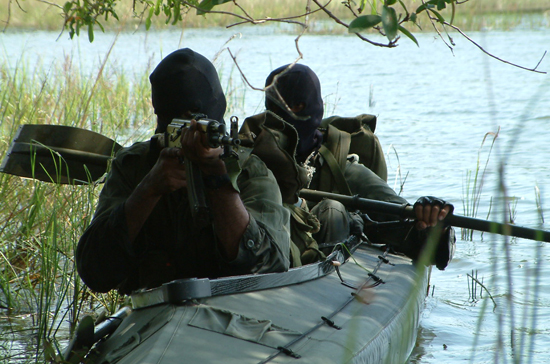
Background
The Sri Lanka Navy's published history traces the Special Boat Squadron to the early 1990s, when the Navy identified a need for a specialist team able to respond to maritime threats in coastal waters and lagoons.
The Navy's account describes the initial volunteer team and the squadron's first operation in November 1993, when its personnel helped facilitate the landing and evacuation of troops during the fighting around Pooneryn.
The squadron later developed capabilities for small-boat operations, coastal reconnaissance, amphibious support and other specialist maritime tasks. The Navy's own unit page is the primary source for this history.
Documented capabilities
Historical milestones
8 November 1993
The Navy's unit history describes the formation of a volunteer team and its specialist training.
November 1993
The Navy's account describes the squadron's role in supporting landings and troop evacuation around Pooneryn.
1994
The Navy's published history describes the development of a high-speed small-craft concept.
Further reading
This page is a historical archive. Where records are incomplete or disputed, claims should be attributed to their sources and should not be presented as independently confirmed facts.